The Staircase Trends Shaping Compact Living
As housing footprints shrink and urban density increases, staircases are undergoing a quiet but powerful transformation. No longer treated as purely functional structures, modern staircases are now central to how compact homes look, feel, and function. From space-saving staircase designs and foldable staircases to sustainable materials like bamboo, staircase innovation is playing a critical role in shaping compact living worldwide.
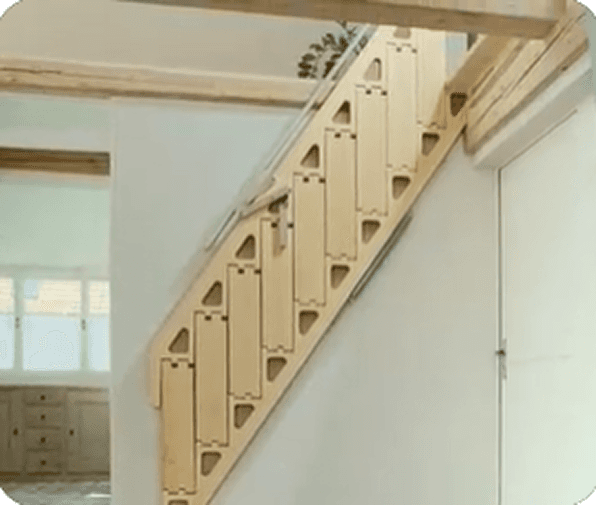
Why Staircase Design Matters in Compact Homes
In compact living environments, every square metre counts. Traditional staircases often consume valuable floor space, disrupt layouts, and limit flexibility. As a result, homeowners, architects, and designers are prioritising compact staircase solutions that improve flow without compromising safety or aesthetics.
Modern staircase design now focuses on:
Reduced footprint and smarter layouts
Multi-functional and adaptable structures
Integration with interior design
Sustainability and long-term usability
These priorities have driven the rise of innovative staircase systems that support efficient vertical movement in smaller homes.
Foldable and Space-Saving Staircases Lead the Trend
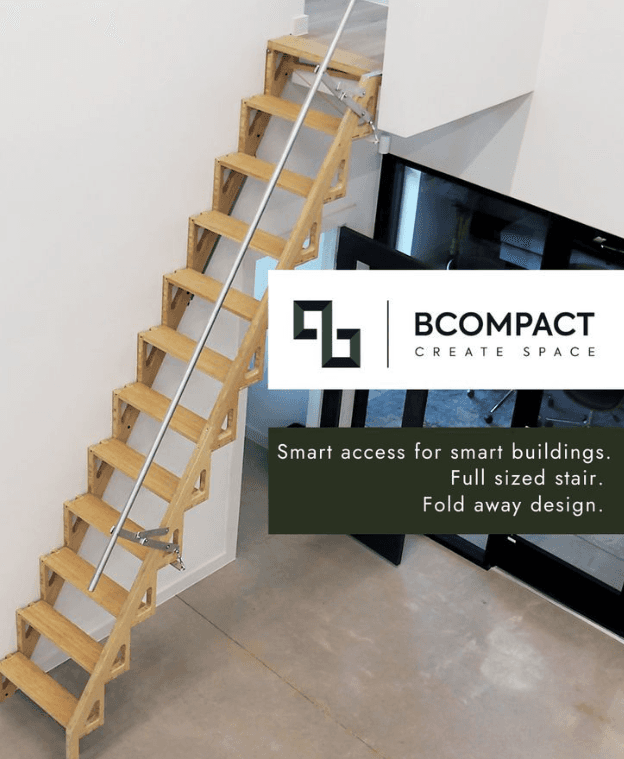
One of the most significant shifts in compact living is the growing adoption of foldable staircases and side-folding staircase designs. These systems allow staircases to be deployed only when needed, freeing up floor space for daily living.
Key benefits of space-saving staircases include:
Improved usability in small homes and apartments
Flexible layouts for multi-use spaces
Cleaner, less cluttered interiors
Better integration with modern architecture
Foldable staircase systems are particularly popular in lofts, townhouses, and compact renovations where permanent stairs are impractical.
Sustainable Materials Reshaping Staircase Design
Sustainability is another major force influencing staircase trends. Homeowners are increasingly looking for materials that align with eco-conscious values without sacrificing strength or design quality.
Bamboo staircases and sustainable wood stairs are gaining popularity due to their low environmental impact, durability, and natural aesthetic. Bamboo’s rapid renewability and strength-to-weight ratio make it especially suitable for compact staircase systems, including foldable and modular designs.
This shift reflects a broader movement toward sustainable interiors that balance performance with responsibility.
Across the USA, Australia, and New Zealand, compact living trends are driving region-specific staircase solutions that balance lifestyle, regulation, and design preferences.
Check out our. We designed for folding staircase for Aussie’s Home: https://www.bcompact.com/blog/hidden-space-better-access-ladder-to-stair-transformation
Staircase Trends in the United States
In the USA, compact living is closely linked to urbanisation and the rise of ADUs (Accessory Dwelling Units). Cities like Seattle, San Francisco, and New York are driving demand for the best folding ladder USA that comply with building codes while maximising usable area.
Popular US trends include:
Minimalist staircase designs for ADUs and lofts
Foldable and retractable stair systems
Slim-profile stairs integrated into walls or cabinetry
American homeowners are prioritising staircases that feel architectural rather than utilitarian, blending seamlessly into compact interiors.
Staircase Trends in Australia
Australia’s compact living trend is strongly shaped by design quality and sustainability. With growing demand for architectural innovation, people are increasingly embracing foldable staircases in Australia, space-saving ladder design, and bamboo staircases crafted specifically for narrow footprints and compact living environments.
Key Australian trends include:
Sustainable materials like bamboo and engineered timber
Custom staircase designs for townhouses and coastal homes
Foldable staircases that support long-term living, not just access
Australian compact living places equal emphasis on form, function, and longevity.
Staircase Trends in New Zealand
In New Zealand, compact living often centres around flexibility and adaptability. Homes are designed to evolve over time, making custom foldable attic stairs NZ an essential feature rather than a compromise.
Common trends include:
Lightweight staircase designs for multi-use homes
Foldable and modular staircases
Preference for natural materials and warm finishes
Sustainability and practicality drive staircase choices, aligning with New Zealand’s strong environmental values.
The Future of Staircases in Compact Living
Across all regions, staircase design is moving toward solutions that are:
Space-efficient without feeling temporary
Structurally strong yet visually light
Customisable for different layouts
Built using sustainable materials
As compact living becomes a long-term lifestyle choice rather than a short-term solution, staircases will continue to evolve as architectural features that enhance daily life.
FAQ
What is compact living, and why does staircase design matter?
Compact living maximizes space efficiency, making staircase design crucial for functionality and style in small homes.What are the top staircase trends for small spaces?
Foldable, spiral, modular, and bamboo stairs are trending for their space-saving and aesthetic appeal.Are foldable staircases safe for daily use?
Yes, modern foldable staircases are designed with sturdy materials and safety mechanisms for regular use.Can bamboo stairs suit contemporary interiors?
Absolutely. Handcrafted bamboo stairs add a sustainable, stylish, and modern touch to any compact home.Do these staircases require professional installation?
Most compact and foldable staircases are best installed by professionals to ensure safety and durability.
Conclusion
The staircase trends shaping compact living reflect a global shift toward smarter, more intentional home design. From foldable staircases and side-folding systems to bamboo staircases and sustainable wood stairs, modern staircases are redefining how space is used in compact homes.
As urban living continues to evolve in the USA, Australia, and New Zealand, innovative staircase design will remain a key driver of functionality, sustainability, and architectural expression—proving that even the smallest homes can support intelligent, beautifully designed living.