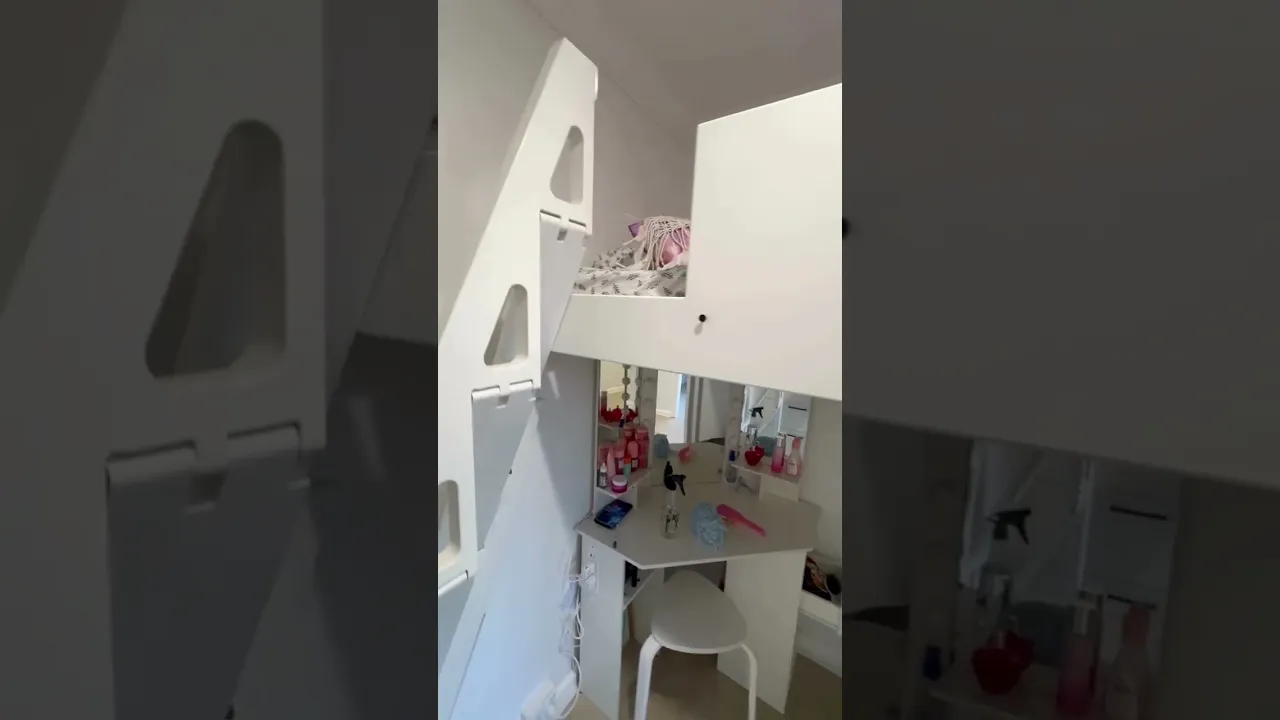
Living in a small home offers a world of benefits—from lower costs to a more intentional lifestyle. But the one thing it doesn't offer is an abundance of space. The good news? You don't need more square footage to live comfortably. You just need to get creative. By rethinking how you use your space, you can unlock its hidden potential and create a home that feels open, organised, and perfectly suited to your life.
Here are five transformative ideas, grouped into three key strategies, to help you make the most of every inch
The Art of Illusion: Tricks to Make Your Space Feel Bigger
Before you buy a single new piece of furniture, you can dramatically change your home's atmosphere with a few clever design tricks. This is all about working with perception to create a sense of openness and depth, making any room feel less cramped and more inviting.
Go Vertical: The most underused space in any home is the wall. When floor space is limited, look up! By drawing the eye upward and getting items off the floor, you create an immediate sense of spaciousness. Ditch bulky bookcases for sleek floating shelves, replace floor lamps with wall-mounted sconces, and consider a wall-mounted desk that folds away when not in use.
Use Light and Mirrors: Light is your best friend in a small space. Maximise natural light by using sheer curtains instead of heavy drapes. Then, amplify it with mirrors. Placing a large mirror opposite a window is a classic trick for a reason—it reflects both light and the view, creating a powerful illusion of depth. Pair this with light-coloured paint on the walls (like soft whites, beiges, or light greys) to make the room feel bright and airy.
Double-Duty Design: Making Your Furniture Work Harder
In a small home, every item must earn its keep. Single-purpose furniture is a luxury you can’t afford. The key is to choose smart, versatile pieces that can adapt to your needs, serving multiple functions and helping you define your space without adding clutter.
Embrace Multi-Functional Furniture: Look for pieces that have a hidden talent. A stylish ottoman can provide extra seating, act as a coffee table, and hide blankets and remote controls inside. A lift-top coffee table can transform into a comfortable desk or dining space. By choosing furniture that serves at least two purposes, you cut down on the number of items you need, instantly freeing up the room.
Zone Your Space Without Walls: Open-plan living is common in smaller homes, but you still need to create distinct areas for different activities. Instead of putting up walls, use your furniture and decor to create "zones." An area rug can visually anchor your living room furniture, separating it from a dining nook. A tall, open-backed bookshelf can act as a room divider that separates your sleeping area from your living space while still allowing light to pass through.
The Invisible Advantage: Solutions That Appear When You Need Them
The ultimate space-saving strategy is to use items that simply aren't there when you don't need them. This "now you see it, now you don't" approach is perfect for essential but bulky items that would otherwise dominate a room.
Master the Art of Disappearing Design: This is where true innovation shines. Think about the major space-hogs in a home. A staircase to a loft, for example, is a permanent fixture that eats up valuable floor space. But what if it didn't have to?
This is the problem solved by the Bcompact Folding Ladder. It provides safe, sturdy, and stylish access to a loft or high storage area, but its genius lies in what happens when you’re done with it. With a simple, elegant motion, it folds completely flat against the wall, becoming as slim as a decorative panel. It gives you back your entire floor area, transforming a permanent obstacle into a sleek, on-demand feature. This same principle applies to Murphy beds that fold into a cabinet or wall-mounted tables that fold down when dinner is over, giving you a truly flexible and multi-purpose room.